

How yacht charter works in Mallorca
A luxury yacht charter in Mallorca should feel calm and certain from the very first message. Here is how it runs with Serman Yacht Charter: a curated shortlist, a clear contract, a crew briefed on your tastes, and a captain waiting at the marina when you arrive, in Palma or wherever your yacht is based.
- 01
Share your plans
Send your dates, the size of your party and the charter you have in mind, from a sunset on the Bay of Palma to a week across the Balearics, by WhatsApp, email or the form. A few lines are enough to begin.
- 02
Receive a curated shortlist
We propose superyachts, motor yachts, sport yachts or sailing catamarans chosen for your group and your route, each with photographs, cabin layout, guest capacity and a written quote that sets out what is included and what is extra.
- 03
Confirm under clear terms
Once you have chosen your yacht, you receive the charter agreement to review. Week charters commonly follow MYBA terms, with a deposit on signing and the balance and APA due before embarkation, on dates written into your contract.
- 04
Shape the details
Your preference sheet tells the chef and crew about tastes, allergies, favourite wines, celebrations and the pace you enjoy. Transfers, a premium car through SERMAN RENT and any special requests are arranged in the same conversation.
- 05
Step aboard
Your captain welcomes you at the marina, introduces the crew, gives the safety briefing and talks through the route for the day's wind and sea. Then the lines come off and the coast opens up.
- 06
Disembark at ease
On a week charter, the captain closes the APA accounts with receipts and any unspent balance is returned to you. Crew gratuities are customary on crewed charters, and always at your discretion.
From first message to first swim

Tell us your plan
Dates, group size and the kind of days you enjoy. A short message by WhatsApp, email or the form is enough to begin.
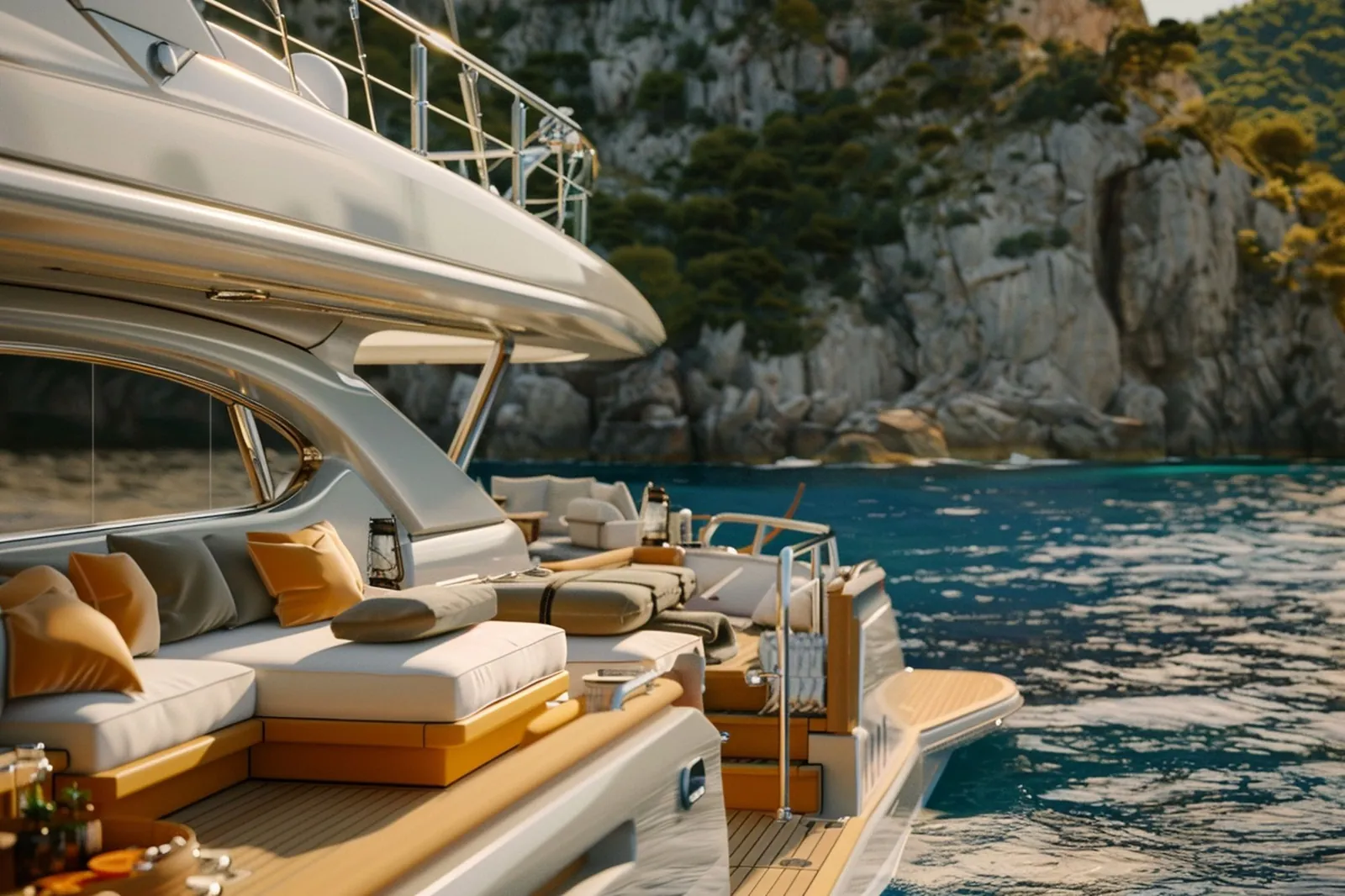
Choose your yacht
A curated shortlist with photographs, layouts, inclusions and a written quote for each option, so the choice is clear.
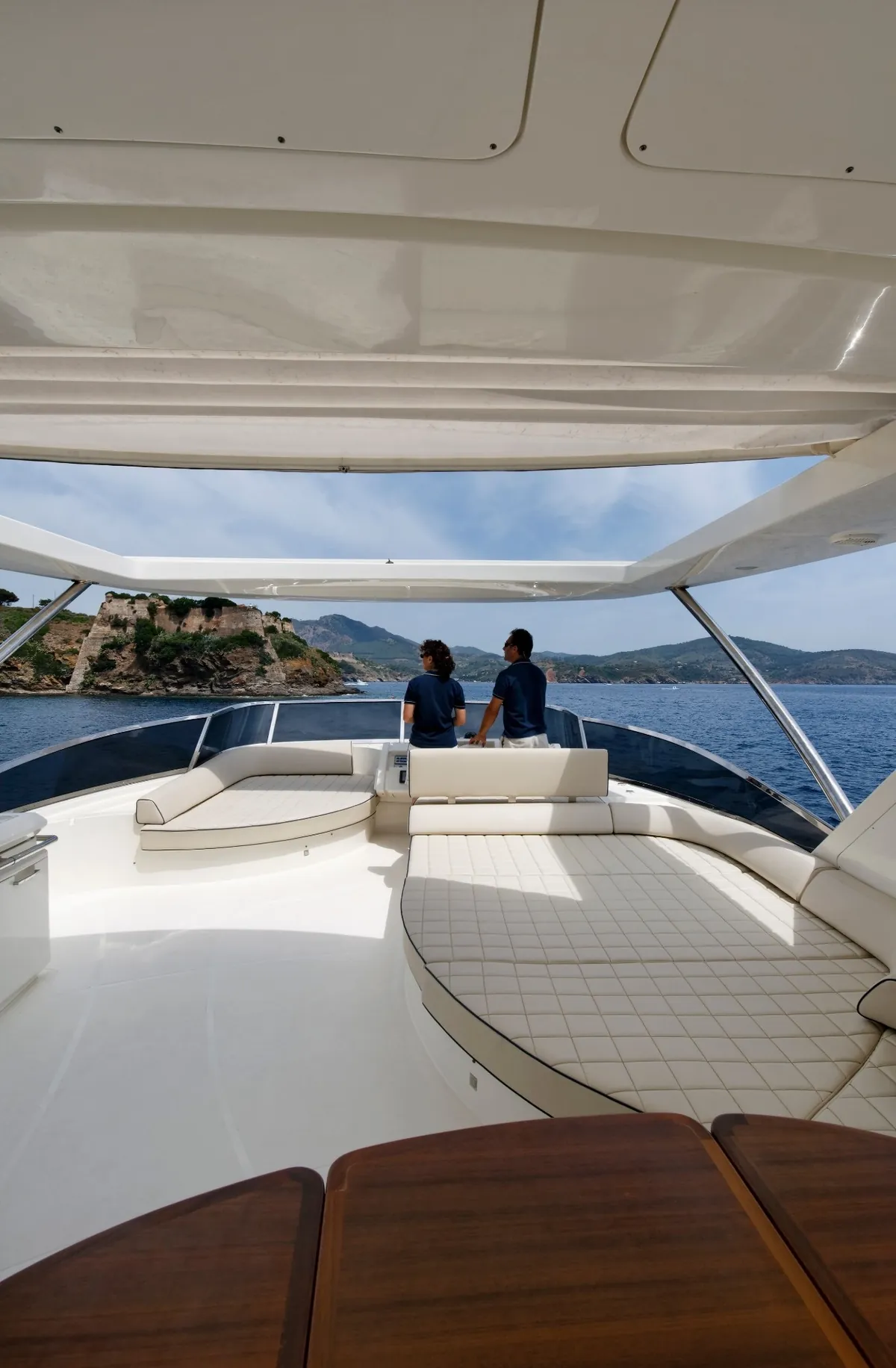
Step aboard
Your captain welcomes you at the marina, introduces the crew and talks you through the yacht and the plan for the day.
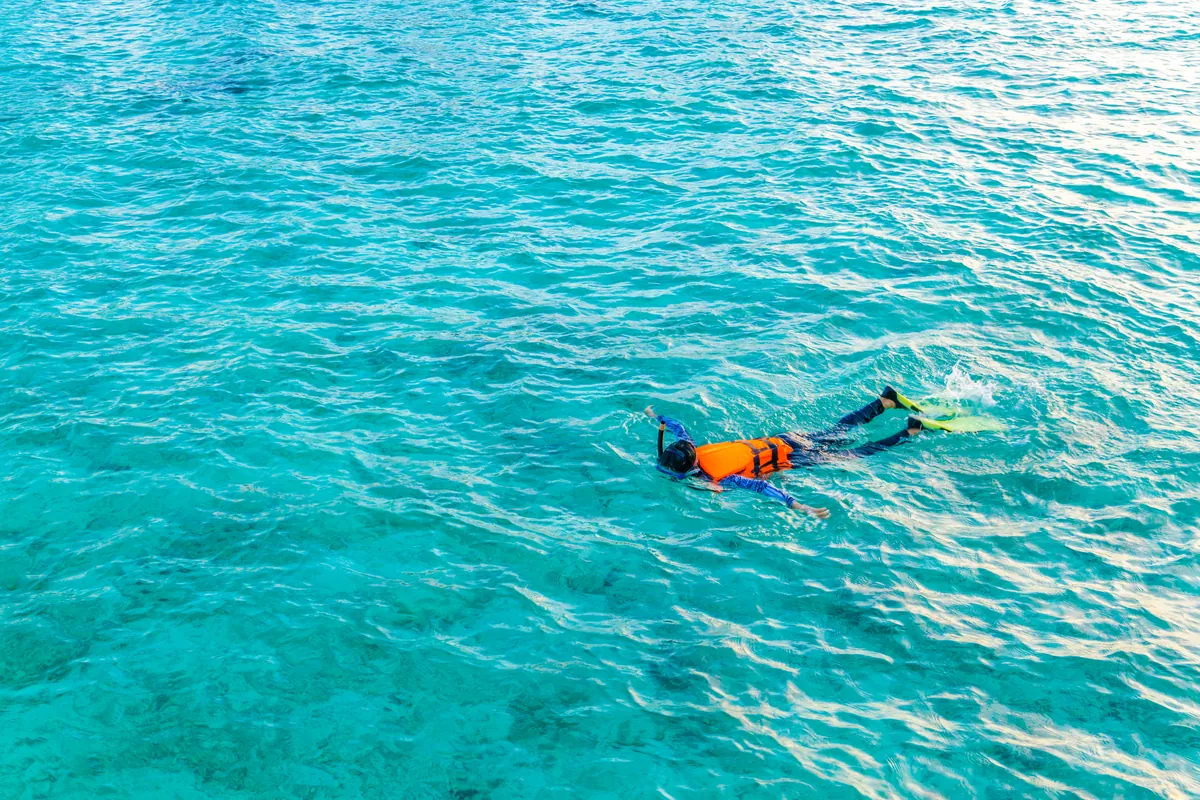
Swim, dine, unwind
Swim stops in clear water, lunch at anchor and time to do nothing at all, then back to port as agreed.
What shapes the price
Every charter is quoted individually and in writing, and prices are always on request. These are the factors that matter most.
The yacht
Length, type, age and finish make the greatest difference, together with the size of the crew. A superyacht with a chef and full crew sits in a different category from a sport yacht for the day.
The season
The height of summer is the most requested time in the Balearics, and rates follow demand. Late spring and early autumn are often quieter on the water and in the marinas.
The duration
A half day, a full day, a few nights aboard or a full week. Week charters are usually quoted as a charter fee plus an APA for running costs.
The route
Distance sets fuel use, and some destinations add berth or mooring buoy fees. Protected waters such as the Cabrera National Park also require a navigation permit arranged in advance. A crossing to Ibiza and Formentera is planned and priced differently from a day on the Bay of Palma.
Taxes and terms
Spanish VAT normally applies to charters that begin in Spain, where the yacht is placed at your disposal. Your quote states it clearly, along with fuel terms, payment dates and what happens if the weather intervenes.
The extras
A private chef, fine wines, additional crew, water toys and transfers are added to suit your plans, each one written into the quote.
Before you board
- A valid passport or ID for every guest, as the yacht may need a passenger list before departure
- Your completed preference sheet, sent ahead so the crew can prepare
- Swimwear, sun protection, a hat and sunglasses
- Soft-soled shoes or bare feet: many yachts ask guests to leave outdoor shoes ashore
- Any medication you need, with allergies noted for the crew in advance
- A light layer for the evening breeze on deck
- Soft luggage for longer charters, as it stows far more easily than hard cases
A yacht charter glossary
The terms you will meet in quotes, contracts and conversations with your captain, explained plainly so nothing in the paperwork comes as a surprise.
- APA (Advance Provisioning Allowance)
- A sum paid in advance, on top of the charter fee, that covers running costs such as fuel, food, drinks and port fees. As a general industry guide, brokers commonly quote it at around 25 to 40 percent of the charter fee, usually towards the higher end on motor yachts and other yachts with high fuel consumption; the exact figure is set in each yacht's charter contract. The captain manages it with receipts and returns any unused balance.
- Bareboat charter
- Renting a yacht without captain or crew, where a member of the party takes command, holds the required qualifications and carries the legal responsibility. Serman Yacht Charter does not offer bareboat charter: every yacht sails with a professional captain.
- Beam
- The width of the yacht at her widest point. A generous beam usually means more initial stability and more space on deck and below, which is why catamarans feel so open.
- Berth
- A yacht's place alongside a pontoon or quay in a marina or harbour. Fees generally depend on the yacht's size, and in summer the most sought-after harbours are booked well ahead. The word also describes a sleeping place in a cabin.
- Captain and skipper
- Both describe the professional in command of the yacht, responsible for navigation, safety and the crew. Skipper is often used on smaller yachts, where the captain may be the only crew member; captain on larger yachts with a full crew.
- Crew
- The professionals who run the yacht with the captain: deckhands, stewards and stewardesses, a chef and, on larger yachts, an engineer. The number of crew depends on the size of the yacht and the type of charter.
- Draught (draft)
- How deep the hull sits below the waterline, measured to its lowest point. It sets the minimum depth a yacht needs, which is why a shallow-draught catamaran can anchor closer to some beaches than a deep-keeled sailing yacht.
- Flybridge
- An open upper deck above the main saloon, with a second helm station and guest seating, often shaded by a hardtop. On many motor yachts it is the favourite place to watch the coastline pass.
- Guest capacity
- Most commercial charter yachts carry up to 12 guests, as larger numbers bring passenger ship rules. A small number of larger yachts certified under codes such as the Red Ensign Group Yacht Code Part B may take up to 36.
- LOA (length overall)
- The maximum length of the hull, measured parallel to the waterline. It is the figure used to describe a yacht's size and, often together with the beam, a basis for marina berth fees.
- MYBA charter agreement
- The standard contract for crewed yacht charters, drawn up by MYBA, The Worldwide Yachting Association. It sets out the charter fee, the APA, payment dates, cancellation terms and the duties of owner and charterer, typically with half the fee paid on signing.
- Mooring buoy
- A fixed buoy secured to the seabed, to which a yacht ties up instead of dropping anchor. In the Balearics, regulated buoy fields protect the seagrass at places such as Sant Elm and Formentor, and can be booked in advance through the Ports IB reservation service.
- Posidonia
- Posidonia oceanica, a seagrass found only in the Mediterranean, forms vast meadows around the Balearics that hold sediment and help keep the water so clear. Under Balearic Decree 25/2018, anchoring on it is generally prohibited, so captains anchor on sand or use authorised buoys.
- Preference sheet
- A questionnaire completed before the charter, ideally a couple of weeks ahead, covering tastes, allergies, favourite wines, meal times, celebrations and activities. The chef plans menus and sources ingredients around it.
- Provisioning
- Stocking the yacht with food, drinks and supplies before and during the charter, guided by your preference sheet. On a week charter it is usually paid from the APA, at cost and with receipts.
- Stabilisers
- Systems that reduce roll, the side-to-side motion of a yacht. Fin stabilisers work best underway, while gyroscopic and zero-speed systems also steady the yacht at anchor, a real comfort over lunch or a night in a bay.
- Tender
- The smaller boat a yacht carries to take guests ashore, to a beach or into a harbour while the yacht stays at anchor. On larger yachts it can be a sizeable, comfortable launch in its own right.
- Water toys
- The leisure equipment carried aboard, from paddleboards, kayaks and snorkelling gear to seabobs or jet skis on some yachts. What is available depends on the yacht, and motorised toys follow local rules that may require a licence for the rider.
Let's plan your day at sea
Tell us your dates, your group and the kind of day you have in mind. We reply with yacht options and a route idea.