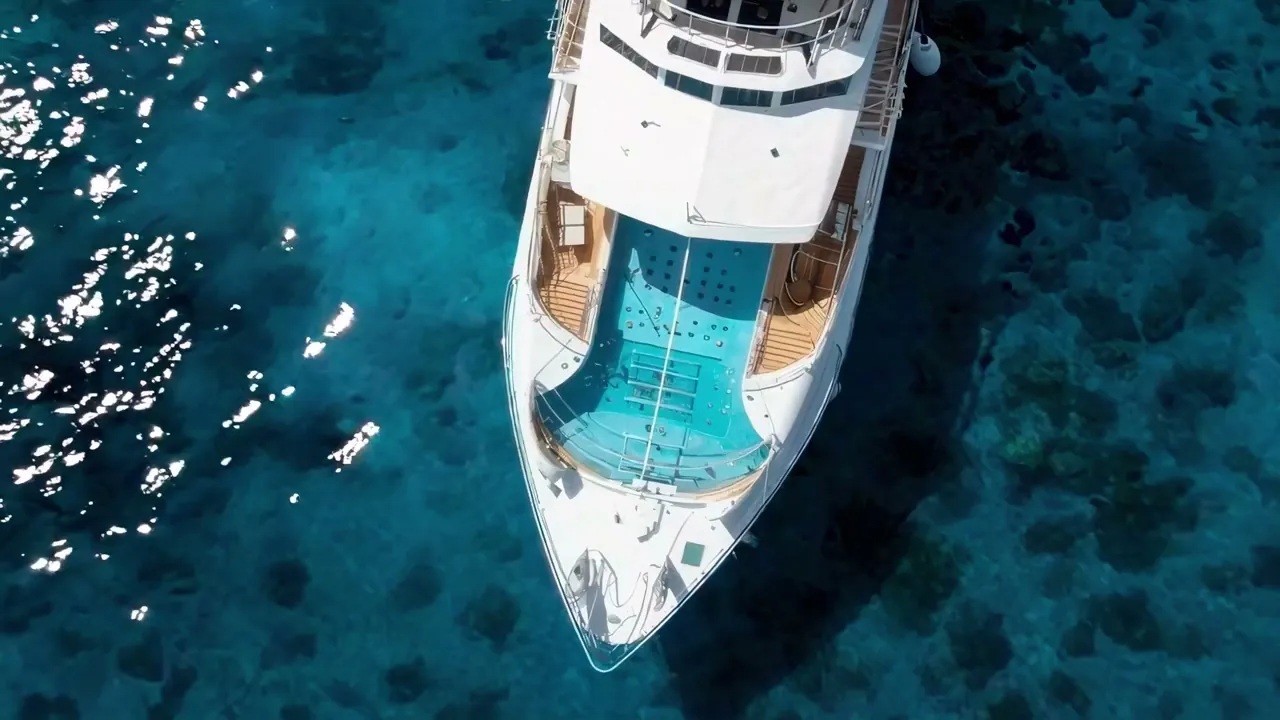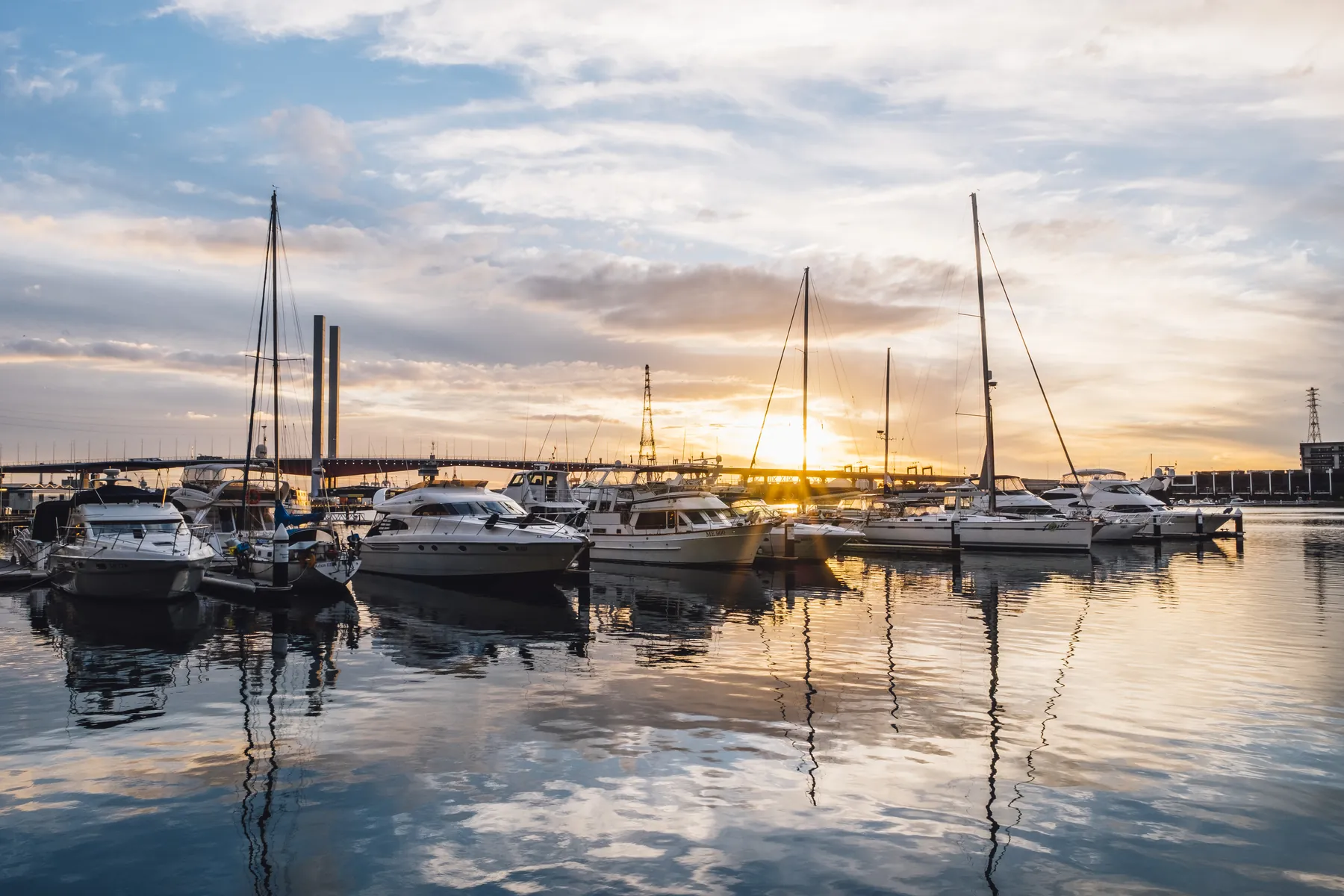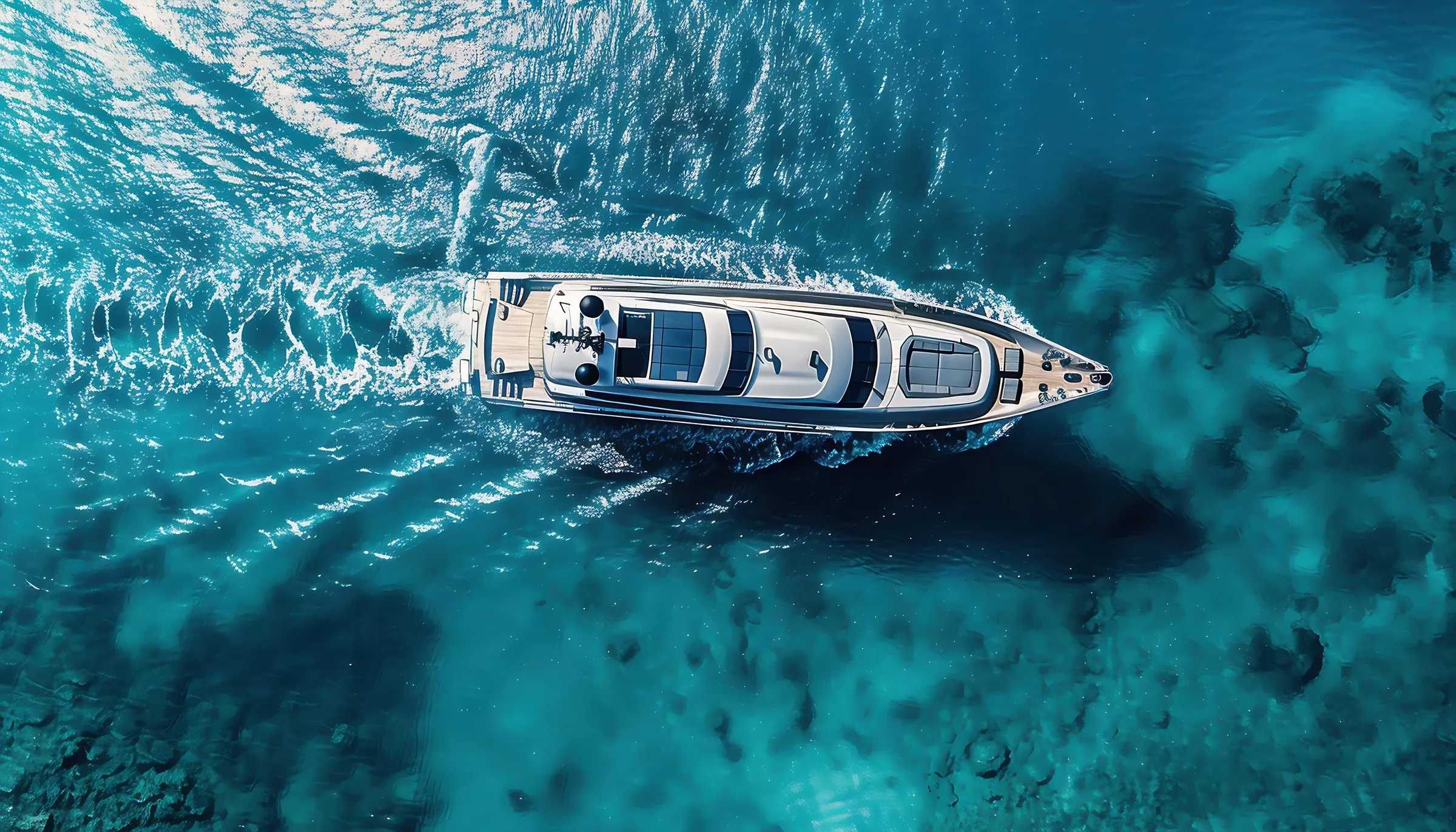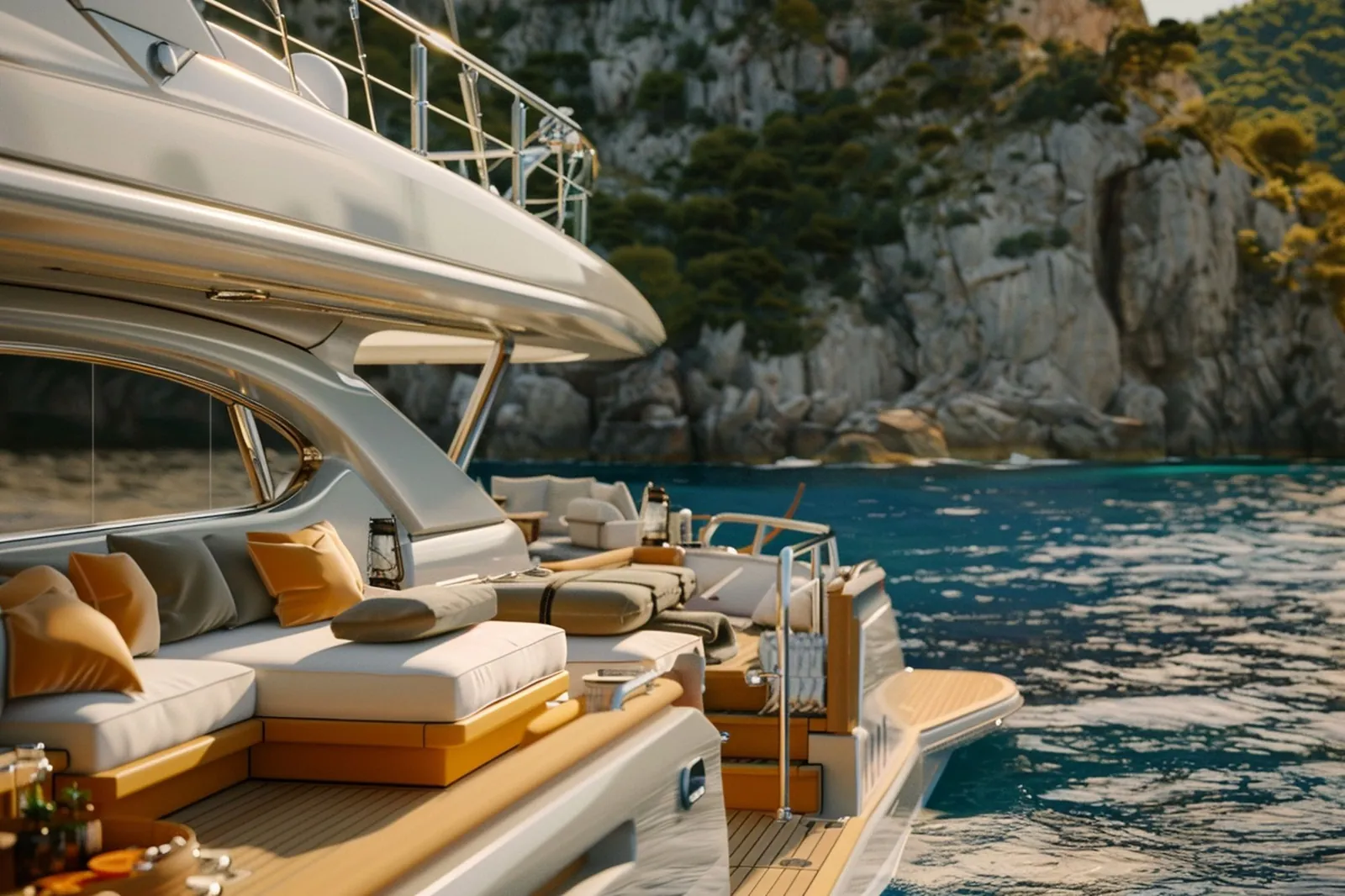
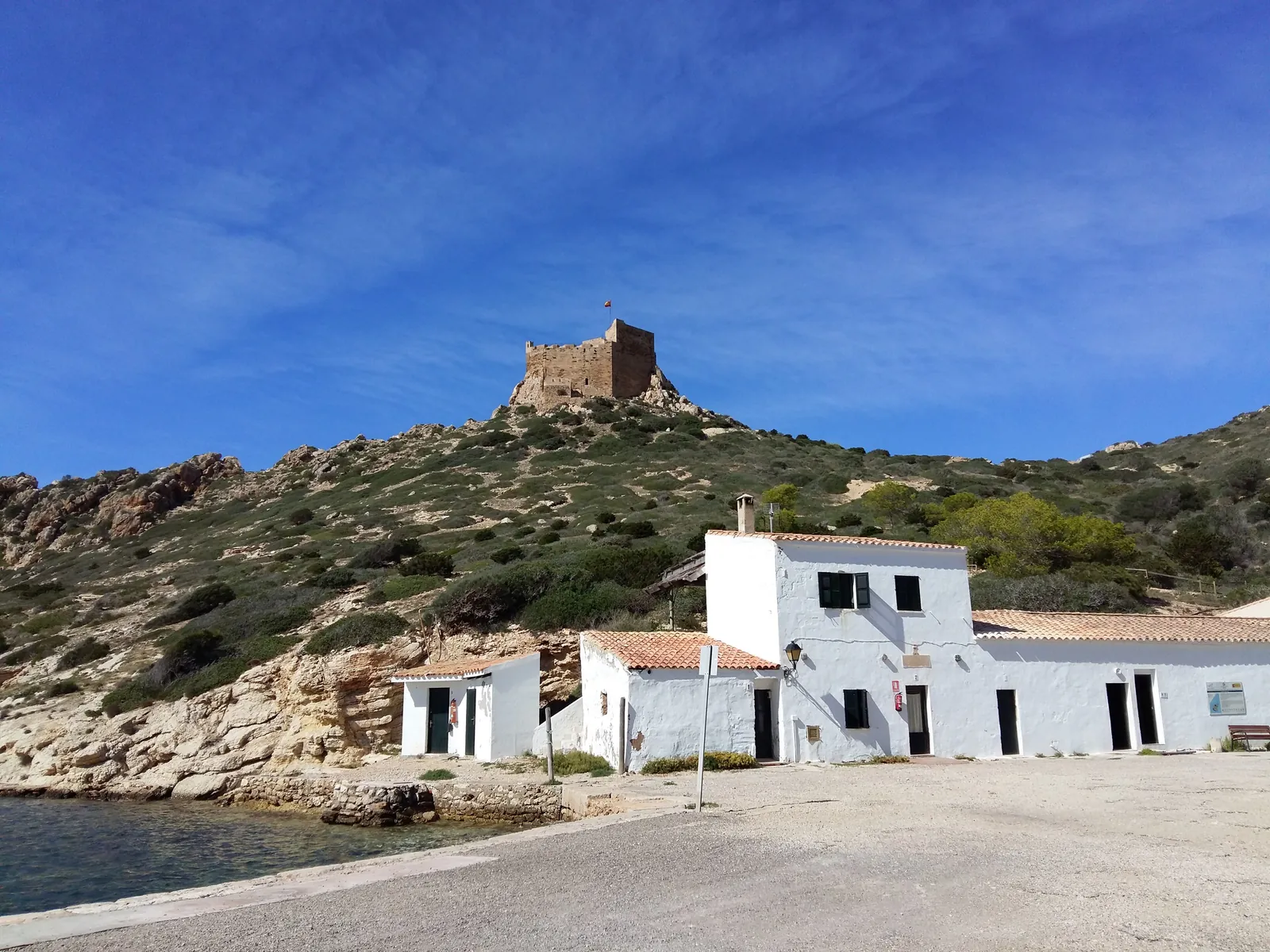
Navigation permits, park mooring buoys, the rules on board and ashore, and how to choose the yacht and the season for a day or a night in Cabrera.
Visiting Cabrera National Park by yacht is one of the most rewarding days you can plan from Mallorca, and one that needs paperwork before anyone steps aboard. The Cabrera Archipelago, off Mallorca's southern coast and facing Colònia de Sant Jordi, is a maritime and terrestrial national park where access by sea is regulated with care. This guide covers the permits, the park buoys, the rules on board and ashore, and how to choose the right yacht and the right day.
A national park that is almost all sea
The park was created by law on 29 April 1991 and extended on 1 February 2019, when a wide stretch of open sea to the south and south-east was added. It now covers around 90,800 hectares, roughly 98 per cent of it water, placing Cabrera among the largest marine national parks in the Mediterranean. Above the surface lie the main island, the island of Conillera and 17 islets, with a rugged coastline of coves, cliffs and the occasional small beach. There is no marina and no hotel: only a natural harbour, a castle, a few park buildings, a park hostel and a single small canteen.
That restraint is the point. Rainfall is scarce, so almost no silt reaches the sea and the water is exceptionally clear. Posidonia meadows grow down to around 45 metres, and around the southern islets the seabed falls away in vertical walls. The naturalist Félix Rodríguez de la Fuente called it "the Mediterranean of Ulysses".
Two authorisations, arranged before you sail
Private and chartered yachts are welcome, but only with prior authorisation. The first is a navigation permit, required to sail anywhere inside the park limits and valid for twelve months. The second is a booking for one of the mooring buoys in Es Port, Cabrera's harbour, needed for an overnight stay. Both are requested online through the Balearic Government's protected areas service, ahead of time. Scuba diving needs its own permit and is allowed only in certain zones.
Under the park's current rules, the harbour takes up to 50 boats a day on its buoys. Stays are capped at two nights in July and August and at seven nights for the rest of the year, and summer buoys can be in demand, so an early request gives the best chance of the dates you want.
Park buoys and the rules on board
Anchoring freely is not how the park works. Overnight, boats lie on the official harbour buoys, allocated by length: white up to 12 metres, yellow from 12 to 15, orange from 15 to 20 and red from 20 to 35. Yachts above 35 metres need an exceptional authorisation, granted on prior justification, so superyacht visits are planned case by case. The park charges a daily fee per buoy, set by the yacht's length. By day, the park has designated day-mooring areas, such as Es Burrí, and your captain uses only what the permit allows. Lying on buoys instead of dropping anchor helps protect the Posidonia meadows on the seabed.
The park's visitor information sets out the rules clearly. Your captain knows them well, but they are worth knowing before you go:
- A speed limit of two knots inside the harbour bay
- Landing only at the main dock in Es Port, by tender
- No pets ashore
- No sport fishing within the park limits
- No water sports or water vehicles beyond the yacht's tender, unless authorised
- No drones without authorisation
- No dumping of waste and no bilge cleaning: all rubbish leaves with the yacht
What to see ashore
Everything ashore starts at the main dock, with free self-guided walks and some routes led by park or park-authorised guides.
- The castle above the harbour, probably late 14th century, built to keep pirates from using the island as a base, with a commanding view of the bay.
- The Es Celler Ethnographic Museum, in a restored building, with the botanical garden on the same route.
- The monument to the French soldiers held on Cabrera after the Battle of Bailén. Of around 9,000 prisoners sent here between 1809 and 1814, only about 3,600 survived, and the monument was raised in 1847.
- The shaded path from the port to Sa Platgeta, a small beach, through pines and junipers.
- The Coll Roig trail, a natural balcony facing the N'Ensiola lighthouse, which can also be reached on a guided walk.
Life above and below the water
The archipelago holds around 80 per cent of the world population of the Lilford's wall lizard, a Balearic endemic, and you may well see them on the rocks beside the paths. Audouin's gulls, shags and Balearic shearwaters nest here, ospreys hunt over the coves, and in the migration seasons large numbers of birds stop to rest and feed. At sea, the park has recorded more than 950 marine species, among them loggerhead turtles and bottlenose dolphins. Only traditional professional fishing is allowed, and the park itself recommends a swim in its clear waters. The park also singles out Sa Cova Blava, the Blue Cave, as a unique experience, and whether it fits the day depends on the sea and the park rules.
Choosing the yacht and the season for Cabrera
Cabrera lies some way south of Palma across open water, so the plan starts with the yacht and the forecast. For a full day from the Bay of Palma, a fast motor yacht or sport yacht makes the most sense, leaving real time on the island. The more relaxed way to know Cabrera is a night on a park buoy within a multi-day charter along Mallorca's south and south-east coast, aboard a yacht with cabins such as the Technema 85 or the Sunseeker 76. Settled conditions matter more here than almost anywhere, and the captain always has the final word on the crossing.
Late spring and early autumn can be quieter than July and August, when the two-night cap applies, and buoys may be easier to book. With only a small canteen on the island, lunch is served aboard. The Ses Salines Visitor Centre in Colònia de Sant Jordi makes a good introduction to the park.
How we plan a Cabrera charter
Every charter with Serman Yacht Charter runs with a professional captain, and Cabrera is where that experience shows. Our team requests the navigation permit and the buoy booking with your captain, matches the yacht to the right buoy, follows the forecast in the days before and keeps a coastal alternative in mind if the sea says no. Cabrera also pairs naturally with the calas of Mallorca's south-east coast, so on a week's charter it rarely stands alone, and if you need a car ashore, SERMAN RENT, part of the same group in Palma, can arrange one. If Cabrera is on your list, send us your dates and group size by WhatsApp, email or the form, and we will come back with a tailored proposal, with prices on request.