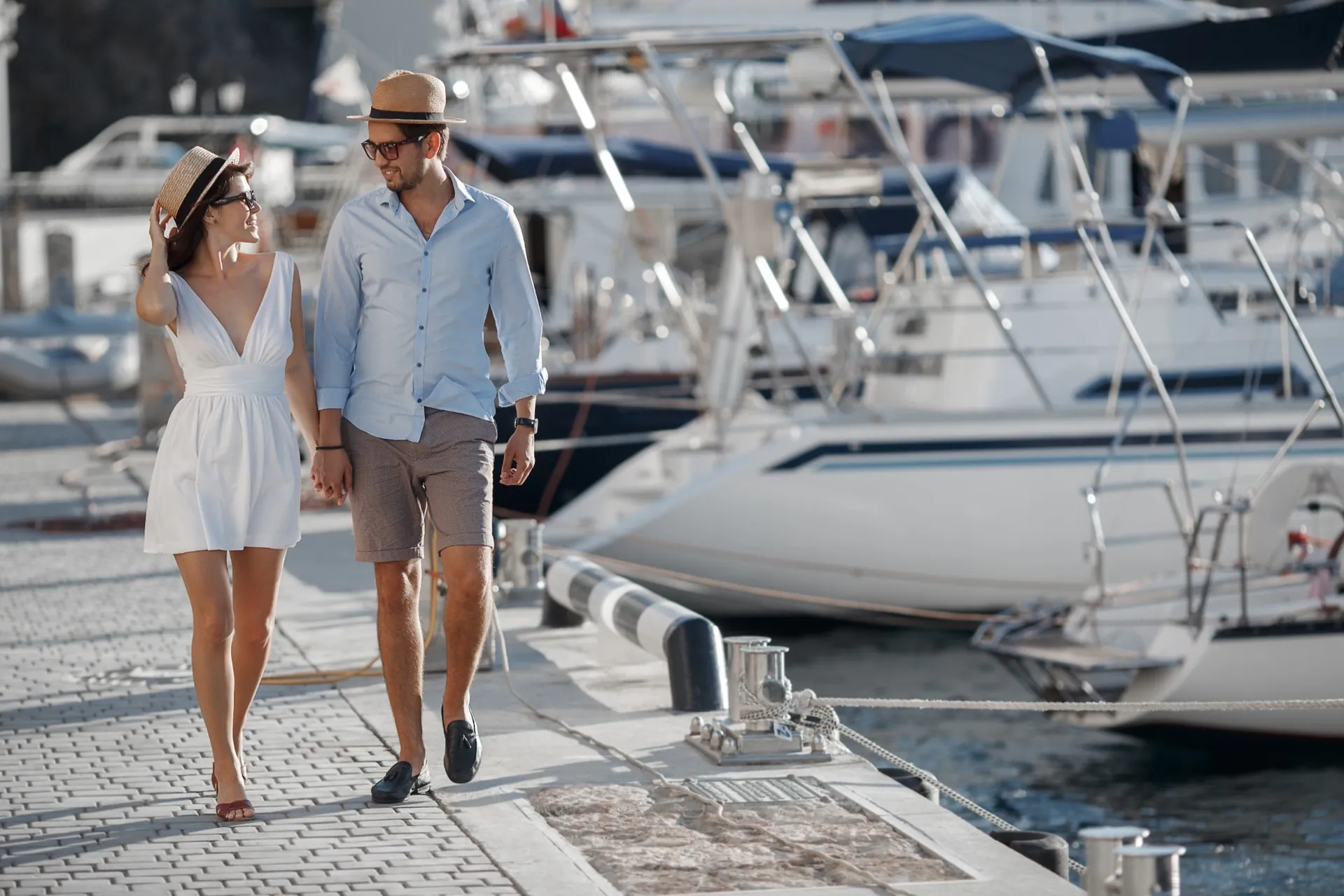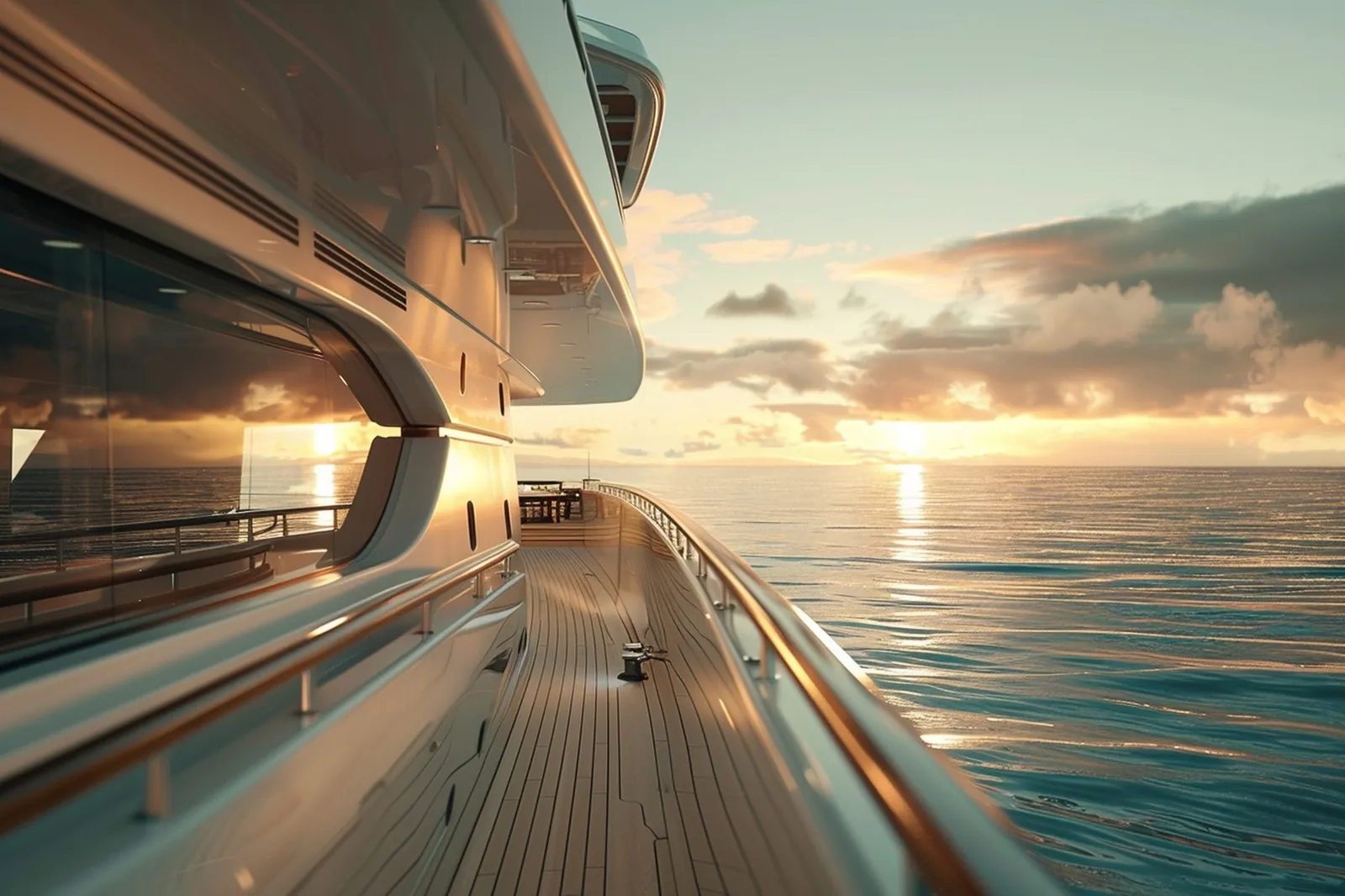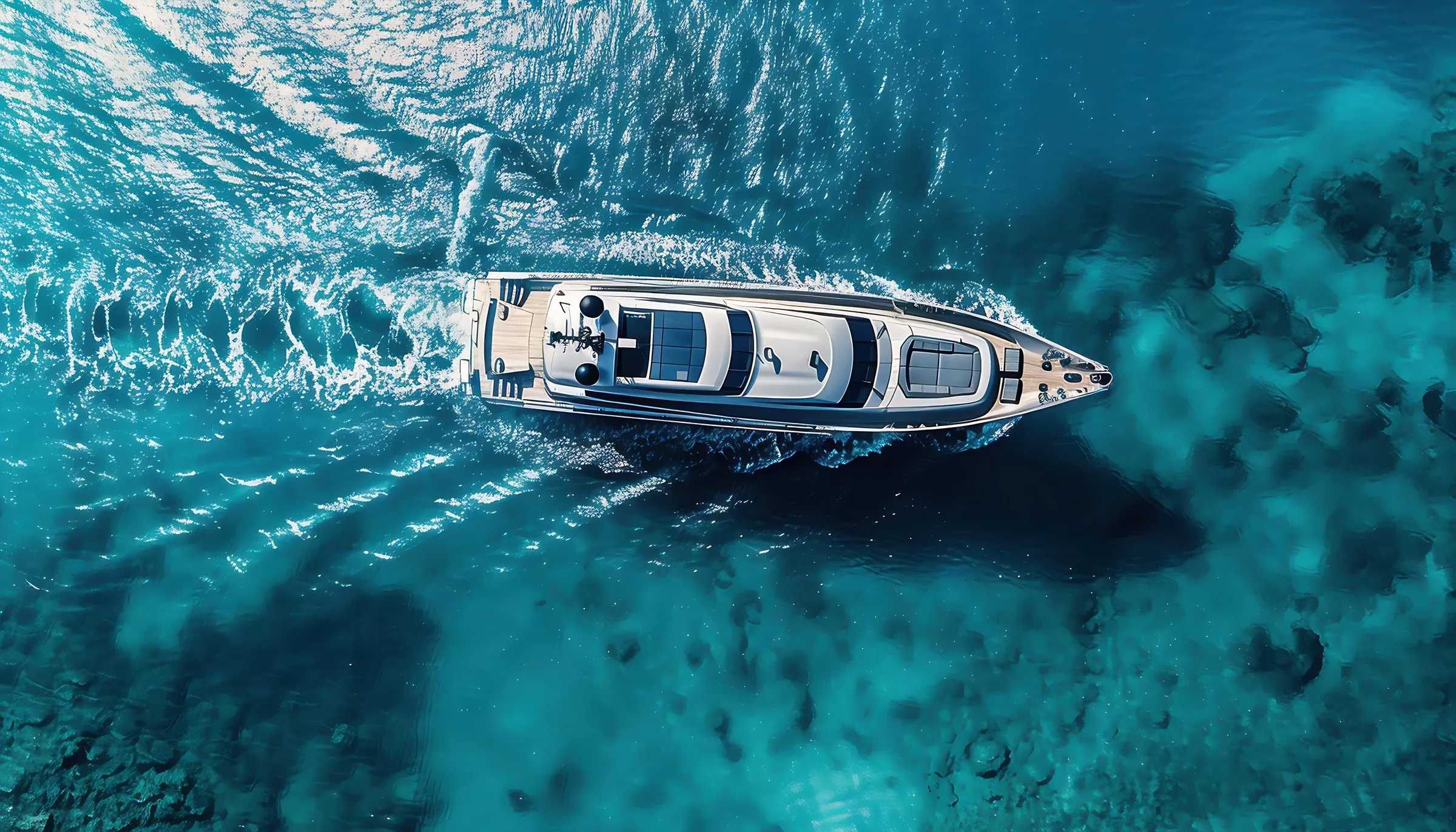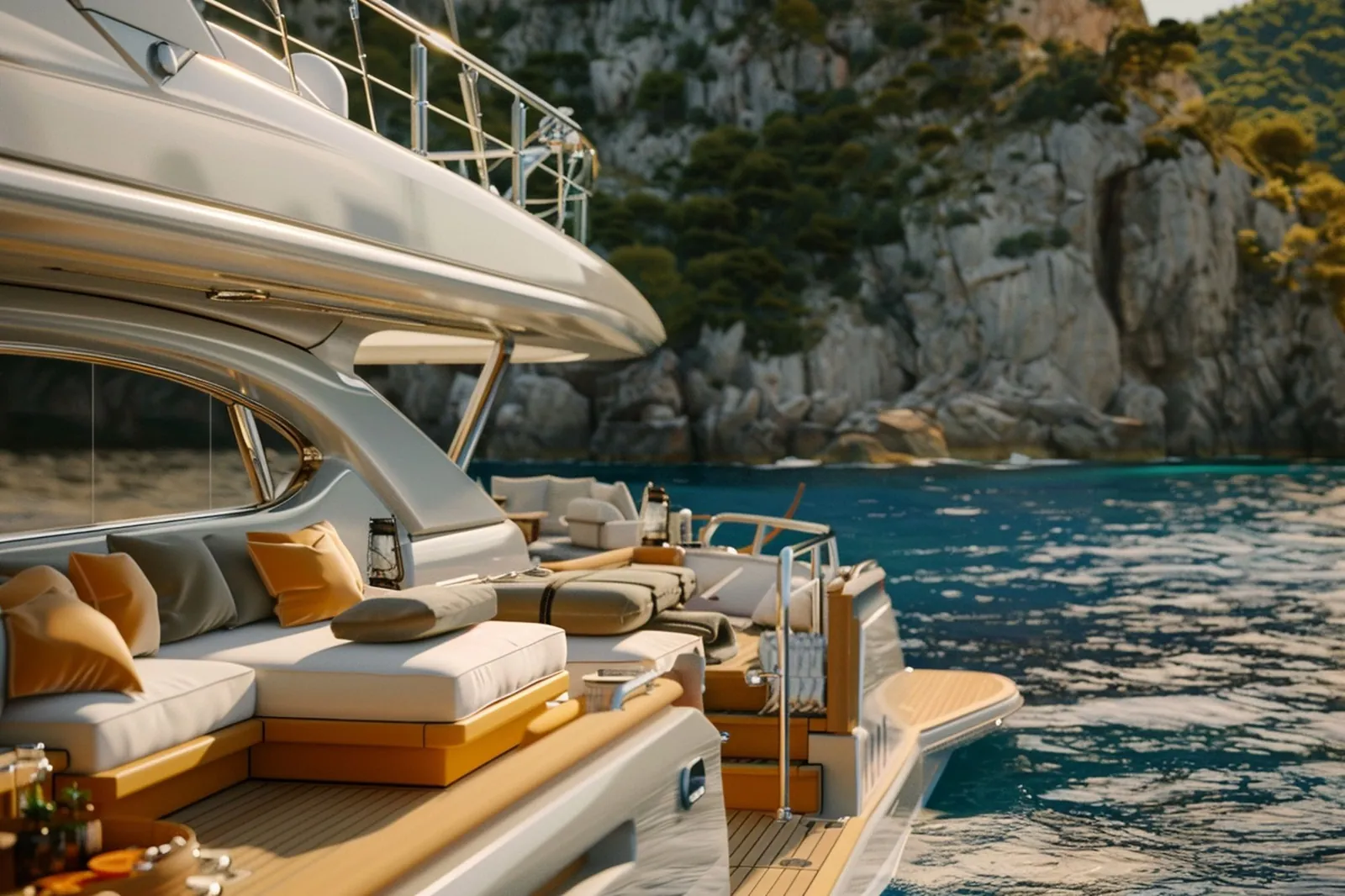
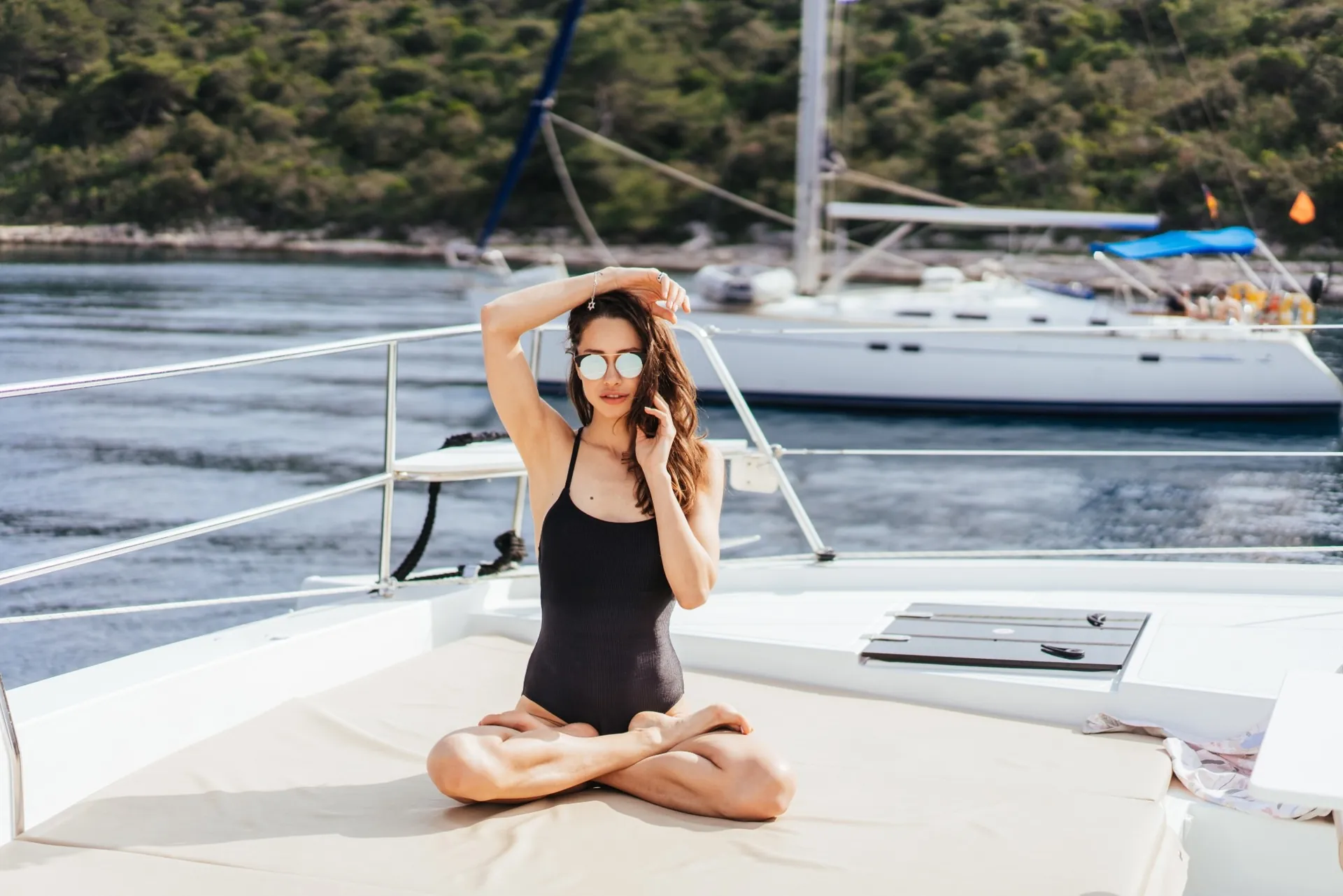
Yoga on deck while the bay is still calm, long swims, shade and cool drinks, lighter food and deep sleep: how to shape a wellness yacht charter in Mallorca, and how to keep seasickness at bay.
A wellness yacht charter in Mallorca is less about a spa programme than about rhythm: yoga on deck while the bay is still calm, long swims, shade through the hottest hours, lighter food, an unhurried evening and time away from screens. A private yacht makes that rhythm easy, because the day follows your group rather than a timetable. Here is how to shape it, with health advice from official sources such as the NHS and Spain's Ministry of Health. It is general information, not medical advice: if you are pregnant, have a health condition or take regular medication, check with your doctor before you travel.
Calm mornings and yoga on deck
Morning is the gentlest time to move on a yacht. In summer the embat, Mallorca's sea breeze, usually rises a few hours after sunrise and peaks in the early or mid afternoon, so the day often begins almost calm. Spain's Ministry of Health also advises keeping physical activity in hot weather to the early morning or the evening. After a night at anchor on a longer charter, unroll a mat before breakfast; on a day charter, the first cove is the moment, before the breeze fills in.
Where you practise depends on the yacht: a foredeck sunpad, a shaded aft deck or the wide, level decks of our two sailing catamarans, listed for up to 45 and 65 guests. Even at anchor a yacht can roll gently, so keep balance poses low and near something to hold. The US National Center for Complementary and Integrative Health (NCCIH) recommends a qualified instructor, says beginners should avoid extreme poses such as headstands, and advises pregnant women, older adults and people with health conditions to talk to their doctor and the instructor about their needs. Mats aboard depend on the yacht, and if you would like a teacher to join you, mention it when planning.
Swimming at anchor
A swim from the stern platform is the simplest ritual of all. On average the sea around Mallorca reaches about 21 °C in June, 24 °C in July, just over 26 °C in August and close to 25 °C in September. Your captain picks a cove sheltered from the day's wind and tells you when and where it is safe to swim. The Balearic government's emergency service, 112 Illes Balears, gives beach advice that applies just as well from a yacht:
- Enter the water slowly, let a meal settle before you swim, and get out at once if you feel shivers or cramps.
- Stay close to the yacht or the shore, take care on inflatables and keep out of the channels that boats use to reach a beach.
- If jellyfish gather, stay out of the water. After a sting, do not scratch, rinse with seawater rather than fresh water and tell the crew; nausea, dizziness or cramps afterwards mean a visit to the nearest hospital.
Sun, heat and hydration
Palma averages about 11 hours of sunshine a day in July, and on the water the exposure is greater than it feels. The NHS points out that water reflects UV rays and that its cooling effect can make you think you are not burning, so it recommends water-resistant sunscreen with at least SPF 30 and 4-star UVA protection, reapplied straight after swimming and every 2 hours. The 112 service advises against long exposure in the central hours of the day, which suggests a simple rhythm on board: swims in the morning and late afternoon, and the hottest hours in the shade of a hardtop, an awning or the saloon.
Spain's Ministry of Health advises drinking plenty of fluids even when you are not thirsty, not overdoing caffeine or sugary drinks, avoiding alcohol in the heat and keeping medicines somewhere cool, because heat can alter them. Ask the crew to keep chilled water within reach on deck and to store your medicines out of the heat, and keep the cava for the evening, once the day has cooled.
Lighter food from the galley
Food follows the same logic. For hot days, Spain's Ministry of Health recommends light meals that help replace the salts lost through sweat, such as salads, fruit, vegetables and juices, and the NHS suggests cold food and regular cold drinks. Catering is arranged on request, and on longer charters a chef can cook for your group where the yacht allows. Before a week aboard, use the preference sheet to ask for a light lunch at anchor before an afternoon passage, plenty of fruit and salads, simply cooked fish and an early dinner; for a day charter, tell us when you enquire.
Sleep and rest aboard
Several days at sea can do the most good at night. The NHS advice for better sleep suits a cabin well: relax for at least an hour before bed, keep the room dark and quiet, with an eye mask or ear plugs if needed, avoid alcohol, tea and coffee for at least 6 hours before bed, skip a big meal late at night and put screens away. Daytime exercise helps too, and swimming takes care of that. If a quiet night matters more than a lively harbour, tell the captain, who chooses an anchorage, a buoy or a marina each night in light of the forecast. Cabin plans vary: the Sunseeker 76 has four cabins and the Admiral 44 has seven, and your shortlist shows each layout.
How to avoid seasickness
Seasickness, the NHS explains, happens when the inner ear sends your brain different signals from those your eyes are seeing. If anyone is prone to it, tell us when you enquire and tell the captain early: a sheltered route chosen around the forecast helps, and some yachts carry zero-speed or gyroscopic stabilisers designed to reduce roll at anchor too. The NHS also suggests:
- Stay in the middle of the yacht, where you feel less motion.
- Look at a fixed point such as the horizon, and get fresh air.
- Close your eyes and breathe slowly.
- Put books and screens away, and do not watch the waves.
- Avoid heavy meals, spicy food and alcohol shortly before and during a passage.
- Try ginger, as a tablet, a biscuit or a tea.
Pharmacies sell tablets, patches and acupressure bands, although the NHS notes that bands do not work for everyone; a pharmacist can recommend the best option before you travel.
Switching off
The real luxury of a private yacht may be time that belongs to nobody else. The NHS describes mindfulness as paying attention to what is going on inside and outside ourselves, moment by moment, including the sights, sounds, smells and tastes of the present. At sea those moments come easily: the first swim, the light on the water, the quiet once the engines stop. Leave the phone in the cabin for the morning and take a book into the shade after lunch; the NCCIH also reports studies linking yoga with lower perceived stress and better sleep. And private means private: your plans stay between you, your captain and us.
Planning your wellness day or week
Every charter with Serman Yacht Charter runs with a professional captain, who shapes the route around the wind, the anchoring rules and your wishes. For a wellness day with a group, a sailing catamaran gives everyone space on one steady deck; over several days, a yacht with cabins lets the rhythm build from one calm morning to the next. Our guide to what to pack covers clothing and sun protection, and our note on Posidonia explains how your captain chooses where to anchor. Send us your dates, your group and the pace you have in mind by WhatsApp, email or the form, and we will propose a yacht and a route, with prices on request.